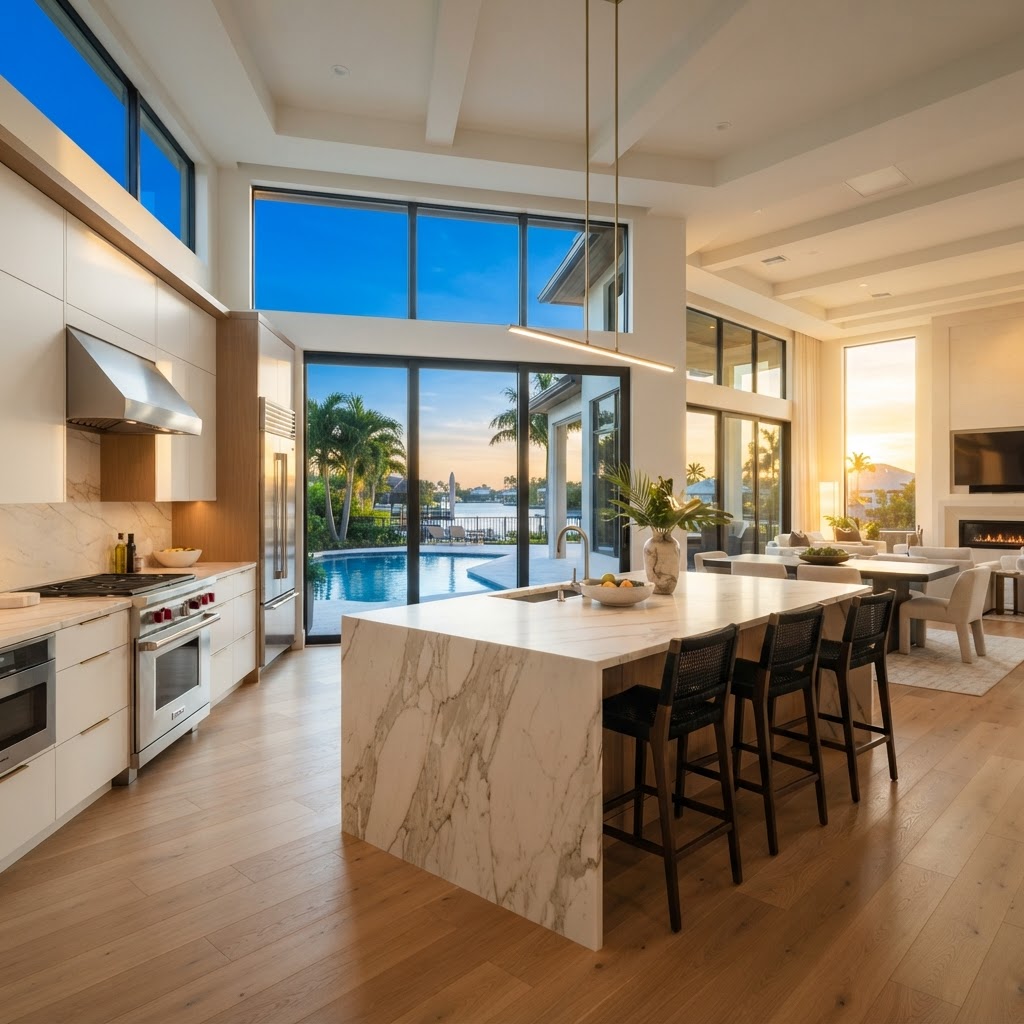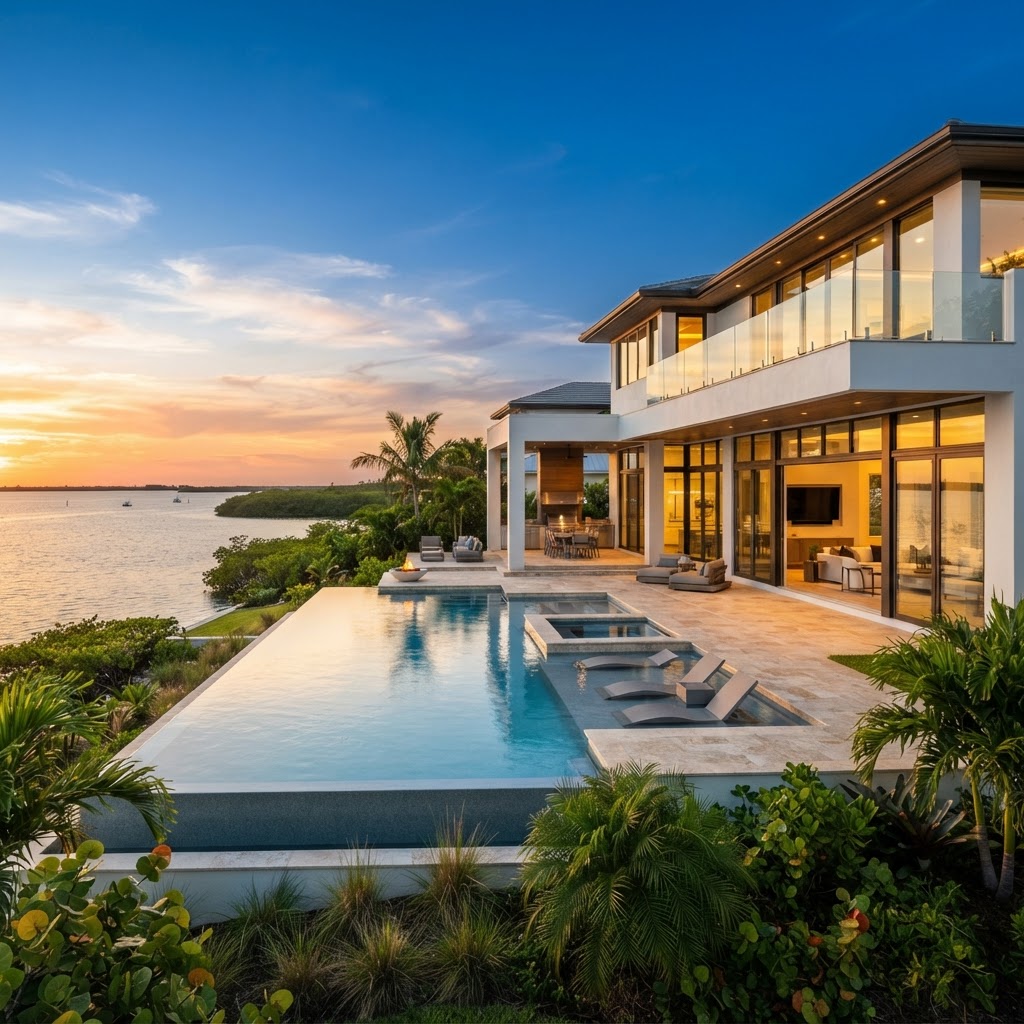
For the discerning automotive enthusiast, the residence is more than a home; it is a carefully curated gallery where design meets engineering. Integrating a private, professional-grade collector's sanctuary requires a sophisticated approach to architectural planning, ensuring that the infrastructure is as impressive as the vehicles themselves.
As you explore potential estates across Naples and the surrounding regions, understanding the necessary technical specifications for high-end vehicle storage is essential. Southwest Florida Is Your Playground, and your home should be the base from which you enjoy that lifestyle, providing a secure, climate-controlled environment that honors your collection.
Talk it through with Krysta
A short conversation can turn general interest into a focused plan.
Contact KrystaThe Necessity of Climate-Controlled Preservation
In the humid, sun-drenched climate of Southwest Florida, climate control is not a luxury—it is a functional necessity for preserving fine automotive finishes and intricate mechanical systems. Standard residential garages often suffer from high humidity levels that can accelerate oxidation and compromise interior materials like fine leather and wood veneers.
- HVAC Integration: Dedicated air conditioning systems, distinct from the main home, allow for precise humidity and temperature management.
- Moisture Mitigation: Installing industrial-grade dehumidification systems prevents the buildup of condensation during high-humidity cycles.
- Air Quality Filtration: Advanced particulate filtration ensures that dust and debris do not settle on polished surfaces, maintaining the pristine aesthetic of the collection.
When evaluating luxury real estate, consult with building professionals to determine if the existing HVAC capacity can be expanded or if a dedicated secondary unit is required for the garage space.
Architectural Considerations for Showroom Displays
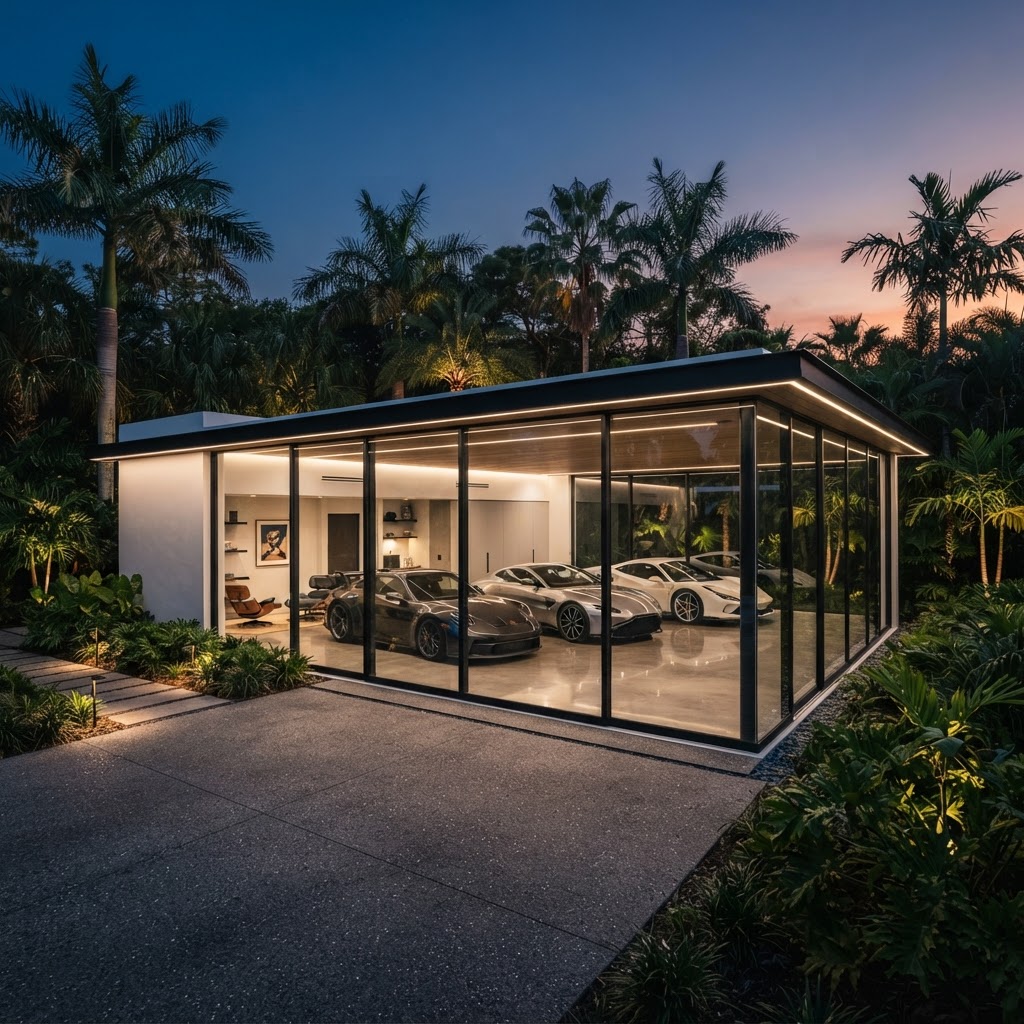
Transforming a traditional storage space into a showroom requires attention to lighting, flow, and spatial orientation. Many collectors in regions like Old Naples or newer estate enclaves prefer a "gallery-style" layout where vehicles are visible from living areas through architectural glass partitions.
Effective garage design often utilizes:
- Recessed LED Lighting: Directional, color-corrected lighting emphasizes the lines and contours of a vehicle without causing glare on metallic finishes.
- Floor-to-Ceiling Glazing: Utilizing high-impact glass walls allows you to appreciate the aesthetic of your collection from the comfort of your interior living spaces, effectively bridging the gap between home and hobby.
- Floor Finishes: Epoxy, porcelain tile, or polished concrete offer durable, reflective surfaces that enhance the showroom aesthetic while providing easy maintenance and spill resistance.
A well-planned automotive lifestyle space should provide a sense of arrival, with architectural details that mirror the quality of the home's primary living areas.
Match the lifestyle to the address
Collectors need more than a beautiful house: garage depth, lift-friendly layouts and secure storage matter.
Find Collector-Friendly HomesInfrastructure for Performance and Maintenance
For those who prefer a hands-on approach to automotive maintenance, incorporating professional-grade service infrastructure is vital. Beyond simple storage, a sanctuary often includes a workspace designed for light detailing or routine mechanical care.
Key considerations include:
- Ventilation Systems: High-volume, impact-resistant exhaust systems are crucial for clearing fumes during vehicle startup or maintenance tasks.
- Integrated Utility Panels: Recessed cabinets with organized pneumatic air lines, electrical power for battery tenders, and water access ensure that every tool is at your fingertips without cluttering the aesthetic.
- Fluid Containment: Strategic floor drains and non-porous surfaces prevent incidental fluid leaks from penetrating the foundation.
By prioritizing these elements, your garage becomes a functional workspace that supports the longevity of every vehicle in your fleet.
Due Diligence in Community Regulations
Before purchasing or renovating, it is imperative to conduct thorough due diligence regarding the community’s architectural guidelines. Even in expansive luxury communities, homeowner associations may have specific constraints concerning garage modifications, external structures, or the total number of vehicles allowed on-site.
Consider these factors:
- Structural Capacity: Ensure the foundation and framing can support the weight of heavy vehicles, especially if considering car lifts to maximize vertical storage.
- Community Aesthetics: Most high-end neighborhoods require that the garage exterior remains cohesive with the home’s primary architecture, necessitating custom-designed doors that match the residence’s facade.
- Accessibility and Turning Radii: Consider the ease of entry and exit, particularly for vehicles with lower ground clearance or larger wheelbases.
Engaging with a specialized architect early in your search allows you to identify homes that already possess the structural foundation for your vision, saving significant time during the renovation process. For guidance on finding properties that align with your specific requirements, please reach out to the team to discuss your needs.
Enhancing Estate Value Through Design
Ultimately, a masterfully designed garage is a value-add that elevates the profile of an estate. Prospective buyers are increasingly seeking homes that offer turn-key, secure storage solutions. By treating your vehicle sanctuary with the same design rigor as your kitchen or master suite, you create a seamless integration that celebrates the automotive lifestyle while safeguarding your assets for years to come.
Ready for your next chapter?
Krysta Sylvester is a Luxury Real Estate Advisor with The Redline Team at Compass, serving Naples and Southwest Florida.
Find Your Southwest Florida Home